 English
 Español
 عربي
عربي  Pусский
 Jul 27, 2026
Visit:151
Jul 27, 2026
Visit:151
Investing in new label‑making equipment forces every label converter to face one core question: should you add a flexo printing machine, go all‑in with digital printing, or consider both production paths? There is no universal “better” answer for label manufacturing. The right choice hinges on your typical order volume, order mix, material portfolio, lead‑time requirements, and overall production cost targets. Many label shop owners struggle with high setup waste, long change‑over times, and confusing cost‑per‑unit calculations when evaluating flexo printing machine vs digital printing for labels. This article breaks down how each technology operates, compares core production metrics, explains the critical run length breakeven, and outlines when a hybrid workflow delivers the strongest business outcome for your label plant.
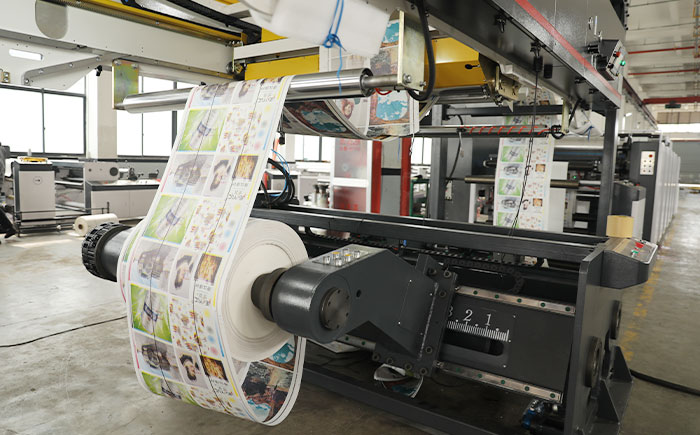
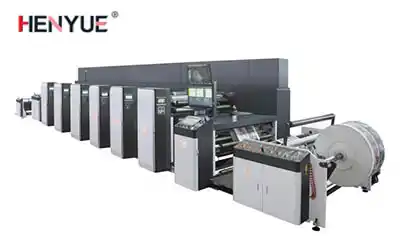
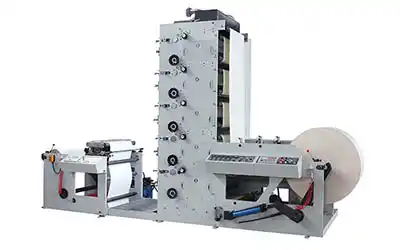
Flexographic printing is a well‑established analog production workhorse for self‑adhesive labels. The system transfers ink via anilox rollers onto raised flexible printing plates, then presses the inked plate onto the label substrate. Ink transfer is controlled by anilox cell volume, and each colour station carries one plate for spot or process colour output.
This mechanical plate‑based workflow creates clear strengths for label production. First, flexo shines for long‑run label orders. Once plates are mounted and press setup is completed, incremental cost per label drops sharply as total run length increases. Second, flexo delivers broad substrate compatibility. It reliably prints on standard paper labels, BOPP, PET film, aluminium foil, and diverse adhesive label stocks that cover most industrial, food, beverage, and household product labelling requirements. Spot colour performance is another major advantage: dedicated spot‑colour inks reproduce brand‑defined Pantone shades consistently across large batches, which is critical for brands with strict corporate colour guidelines.
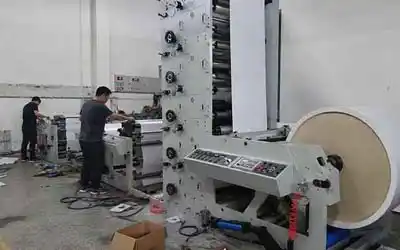
On the operational side, flexo requires physical plate fabrication for every new design. Each job change involves plate mounting, ink mixing, press registration adjustment, and material jog‑in, generating setup waste before reaching acceptable print quality. For converters with stable high‑volume label orders, these fixed setup costs are easily amortized over thousands of linear metres of finished labels.
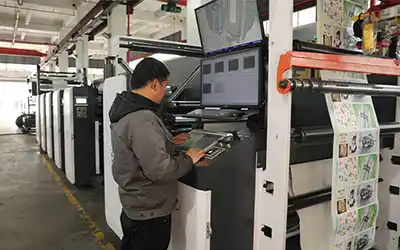
Digital label printing eliminates physical printing plates entirely. Finished artwork files go directly from RIP software to the press. Toner or inkjet systems deposit image data onto label substrates without mechanical plate‑making or manual colour station setup.
Digital printing’s biggest commercial strengths lie in short‑run jobs, fast turnaround, and variable‑data labelling. Since there are no plates to produce, new orders can go from approved PDF to printed output within minutes after file preflight. It excels for small‑batch custom labels, promotional limited‑edition products, serial numbers, QR codes, and personalised variable‑data content where every single label carries unique information. There is zero plate‑related waste for job changeovers.
That said, digital has practical limitations for label converters. Its substrate compatibility is mostly limited to coated papers and treated films. Untreated foils and certain specialty substrates are harder to process compared to flexo. Colour reproduction mainly relies on CMYK four‑colour overprinting. While modern digital presses deliver high‑quality results, matching solid, dense spot colours can be more challenging than flexo spot‑ink workflows. The per‑unit cost remains relatively stable regardless of run length, which becomes a cost disadvantage as job sizes grow very large.
| Comparison Dimension | Flexo | Digital |
|---|---|---|
| Job Changeover Time | 20‑60 minutes | Minutes after file preparation |
| Unit Cost Trend | Decreases significantly with volume | Nearly fixed, independent of volume |
| Substrate Range | Paper, film, foil, self-adhesive labels | Mainly paper and coated film |
| Spot Color Matching | Uses spot color inks, precise | CMYK overprinting, some color deviation |
Understanding the run length breakeven is the key business exercise when comparing flexo printing machine vs digital printing for labels. No universal fixed number applies to every converting plant, as local labour cost, plate pricing, ink expense, and machine depreciation all shift this threshold.
Flexo carries substantial fixed costs for plates, labour‑intensive setup, and setup waste at every job start. On short‑run orders, these fixed overheads push total label cost high. As the linear metres of one single order increase, those one‑time setup expenses get spread across far more finished labels. Beyond a certain run‑length threshold, total production cost for flexo falls below digital for the identical label job.
Digital avoids plate‑making and heavy setup waste, so it stays economical for short‑to‑medium runs. However, its per‑label cost does not drop significantly when you ramp up to very long orders. If most of your incoming jobs sit below the breakeven volume, digital delivers better margins. If most orders run to several thousand linear metres or higher, flexo will normally deliver superior cost‑per‑label performance.
Every label shop should calculate its own practical breakeven based on real‑shop operating expenses rather than generic industry benchmarks. Order mix matters more than theoretical machine specifications.
Many profitable modern label converters choose a hybrid workflow rather than relying on a single technology. A hybrid setup combines flexo printing machine capacity and digital printing capacity under one roof to cover the full spectrum of incoming label orders.
You can route long‑volume repeat orders, jobs requiring precise spot‑colour branding, and difficult‑to‑print specialty substrates to flexo equipment. Digital presses handle urgent quick‑turnaround short runs, customised small‑batch promotions, and all variable‑data label requirements. Digital can also serve as an efficient pre‑production proofing tool for flexo jobs, cutting physical sample waste on the flexo press.
This dual‑asset approach expands your service offering to customers: you can quote competitively for both tiny custom batches and mass‑volume brand label contracts. The trade‑off is higher initial capital investment, extra floor‑space demand, and dual‑system operator training requirements. Hybrid operations make the most business sense when your incoming order mix includes both large repeat jobs and frequent short‑run custom work.
There is no one‑size‑fits‑all winner between flexo printing machine vs digital printing for labels. Your equipment decision should be driven by your actual order portfolio, not market hype.
If your business is dominated by long‑repeat label orders, you regularly process foils and diverse specialty materials, and brand‑owner customers demand strict spot‑colour consistency, investing in a flexo printing machine is a solid business move.
If most incoming work consists of short runs, fast‑turnaround custom labels, and variable‑data print jobs, digital printing brings major operational and cost advantages.
If your order book mixes both long‑run mass orders and high‑volume short‑batch custom work, evaluate whether a hybrid model aligns with your capital budget and floor‑space resources. Resist purchasing equipment simply because it is fashionable in the industry. Always map machine capabilities back to your real‑world label‑production cost, run‑length breakeven, and customer order requirements.For tailored advice or to discuss your specific label orders, please contact our team.
Top‑tier digital label presses achieve impressive output speeds, yet digital does not gain the same per‑unit‑cost benefit as flexo for extended runs. Even when line‑speed numbers look comparable, material and consumable costs keep digital unit pricing higher for very long‑volume label jobs. Flexo maintains a cost advantage for mass‑production label work.
Yes. Flexo press operation demands hands‑on expertise for plate mounting, anilox roll management, ink formulation, registration tuning, and waste‑reduction optimisation. Digital printing centres on file preflight, RIP settings and material‑profile adjustment, with far fewer manual mechanical adjustments. Training timelines for new flexo operators are generally longer.
Hybrid printing makes strong business sense when your order mix includes both long‑run and short‑run variable‑data label jobs. It expands your quoting range and customer‑service capability. However, if nearly all your orders fall on one side of the run‑length breakeven, the extra capital expenditure for dual‑systems may not deliver sufficient return on investment. Evaluate your order history and future customer pipeline before committing to hybrid workflows.
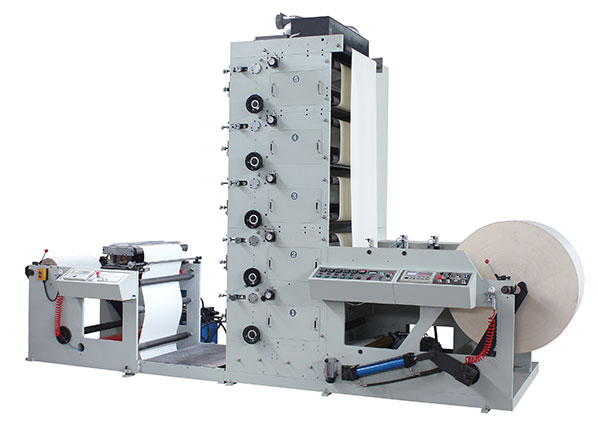
FLEXO PRINTING MACHINE
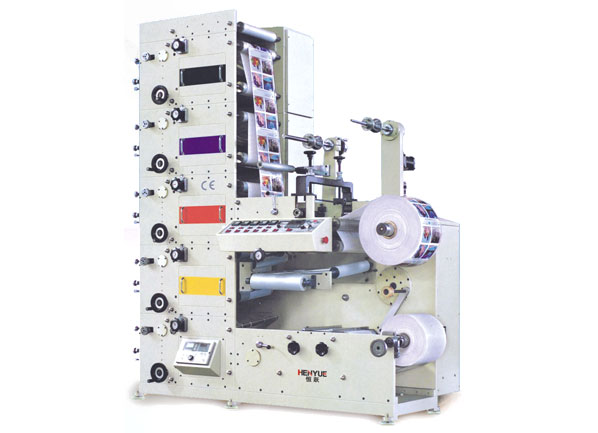
FLEXO PRINTING MACHINE
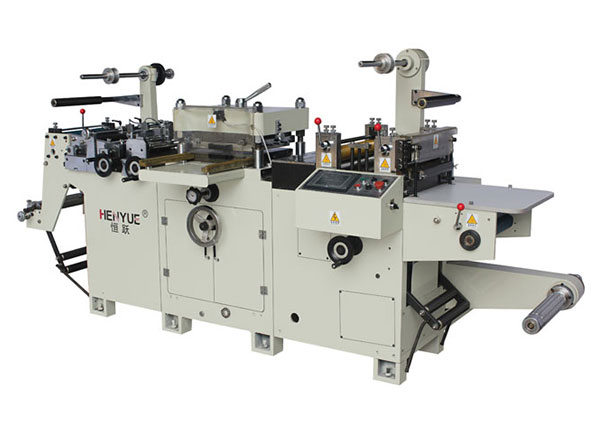
FLEXO PRINTING MACHINE
GET A QUOTE