
 English
 Español
 عربي
عربي  Pусский

Sep 10, 2026
In corrugated flexo printing, the plate mounting tape is far more than just a double‑sided adhesive. It is a critical interface that secures the photopolymer plate to the print cylinder, transmits impression
Aug 26, 2026
Setting the doctor blade angle correctly is one of the most critical adjustments a flexo press operator can make. The angle determines how effectively the blade shears excess ink from the anilox roll—
Aug 19, 2026
Dot gain (also called tone value increase, or TVI) is the phenomenon where halftone dots printed on the substrate are larger than their intended size on the printing plate. In flexography, dot gain is
Aug 12, 2026
Color variation from the beginning to the end of a single flexo roll is one of the most frequent sources of customer complaints. Unlike a sudden defect, this type of shift is rarely caused by a single
Aug 05, 2026
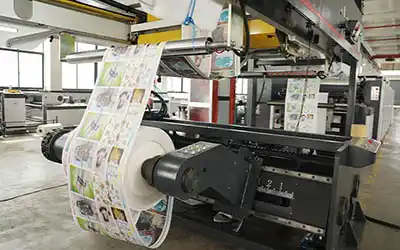
Cracked photopolymer plates are one of the most frustrating—and costly—problems on a flexo press. A single cracked plate doesn't just ruin print
Jul 27, 2026
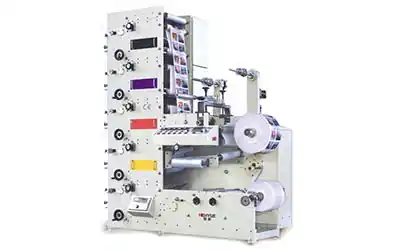
Investing in new label‑making equipment forces every label converter to face one core question: should you add a flexo printing machine, go all‑in with digital printing, or consider both production pa
Jul 17, 2026
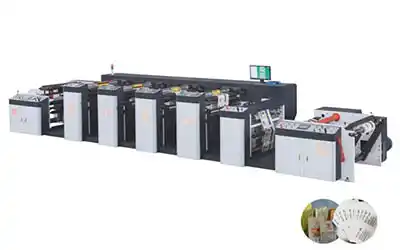
Register marks are the “eyes” of the automatic registration system in CI flexo printing. They tell the sensors where each color plate is, allowing the system to adjust register between color stations in real time.
Jul 16, 2026
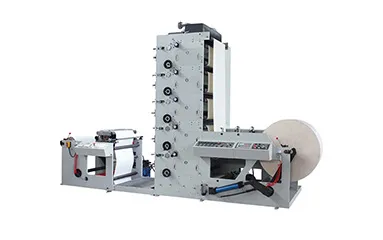
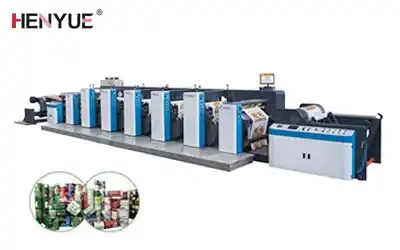
Let's be honest—if you make paper cups or bags, picking a flexo press is never fun. Every brochure says the same thing. Prices jump all over the place. And whatever you choose, you're stuck with it for years. Paper's tricky—it stretches, absorbs ink differently, and coated stock needs extra care. Plus, cups and bags have to be food-safe, look good, and run in high volumes. So here's what actually counts—no fluff.
Jul 10, 2026
In flexible packaging flexography, thin‑gauge films—especially 30–50 micron polyethylene (PE)—are among the most challenging substrates to print. These films are extremely sensitive to impression pressure:
Jun 30, 2026
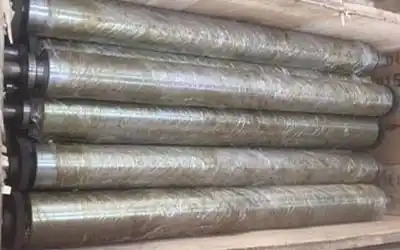
In CI flexo printing, the anilox roll is often called the “heart” of the press. How well that heart beats determines print quality – solid density, highlight dot retention, and edge sharpness of text. Yet, faced with numerous combinations
Jun 29, 2026
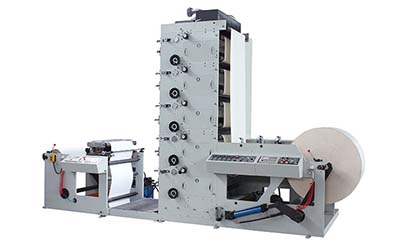
Gear marks are among the most frustrating print quality defects in flexographic printing. They appear as periodic light–dark streaks that match the gear pitch, usually spanning the full web width and running perpendicular to the web direction.
Jun 22, 2026
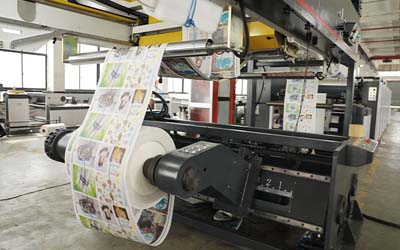
You're running a long job, everything seems dialed in—then suddenly, your solids start looking patchy. Dots are skipping. The print has that dreaded “snowflake” or mottled appearance that